Guides · 2 min read

CGI vs photoshoot: what actually changes.

For furniture, kitchen and bathroom brands, choosing between a photoshoot and CGI is mostly about timing, variants and logistics. Here is what each one involves, side by side.

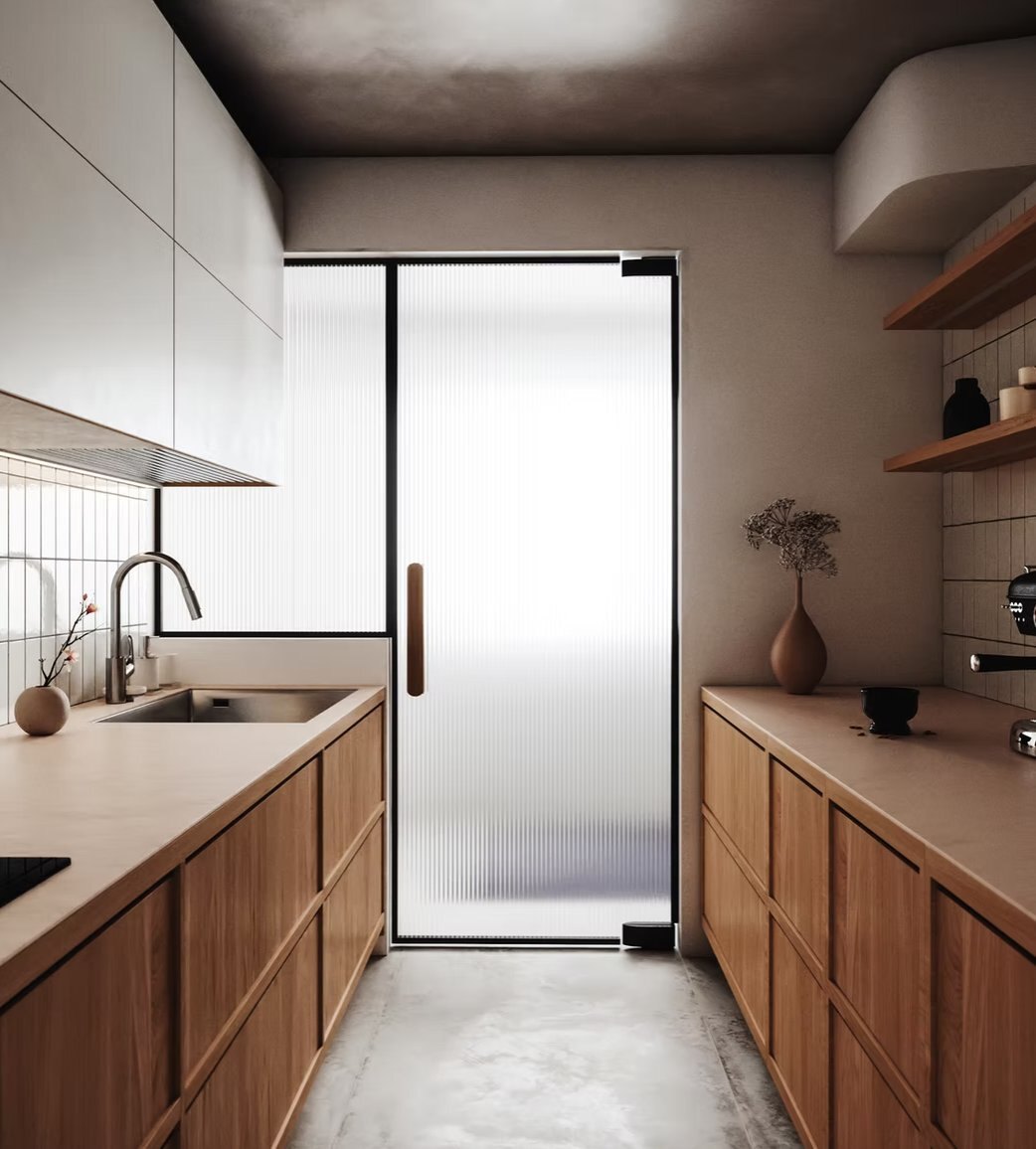
Warm wood kitchen CGI with galley layout, tiled backsplash and launch-ready roomset composition
PhotoshootCGI
The productMust already be produced in every finish you want to show.Built in 3D from CAD, drawings or product sheets, before production.
SamplesShipped to the studio or location, and back.Optional. Physical samples help match finishes; nothing else travels.
SetBuilt, rented or found on location for the shoot days.Built digitally, and kept ready for the next campaign.
TeamPhotographer, stylist and assistants, often travelling.One artist working from your brief.
VariantsEach finish or configuration is a new setup or a reshoot.Rendered from the same scene, with identical light and camera.
Changes laterRetouching, or a new shoot.Adjust the scene and render again.
TimingWaits for the product, the set and everyone's availability.Starts as soon as files exist, often months before launch.
CostCrew days, location, travel and product shipping, repeated for each new shoot.Mostly the time to build the scene. Extra angles and variants from the same scene cost much less.
Best forExisting products, real people, documentary-style brand stories.New ranges, many variants, catalogues and consistent e-commerce images.

When a photoshoot still makes sense

If the product already exists, the shoot is local and the images are about real people using it, photography is often the simpler choice. The same goes for documentary-style brand stories, where the imperfections are part of the point.

Where CGI makes the biggest difference

Picture a kitchen maker launching a new cabinet front in six colours next spring. The fronts are still being tooled, the showroom won't be ready until March, and the catalogue goes to print in January. With a photoshoot, the images have to wait for all of that, and all six colours have to be produced and installed in the set before anyone can shoot them.

With CGI, the kitchen is built from the CAD drawings in the autumn. The six colours are rendered from the same scene in the same light, and the catalogue spread, the dealer pack and the website images all come from that one setup. When a seventh colour arrives a year later, the scene is still in the archive, ready for it.

Four questions to decide

  • Does the product physically exist yet?
  • How many finishes, fabrics or configurations need images?
  • Will you need the same look again next season?
  • Is the image about the product, or about people using it?

If the product doesn't exist yet, comes in many variants, or needs a consistent look year after year, CGI is usually the better route. If the story is about real people, a photoshoot often is.
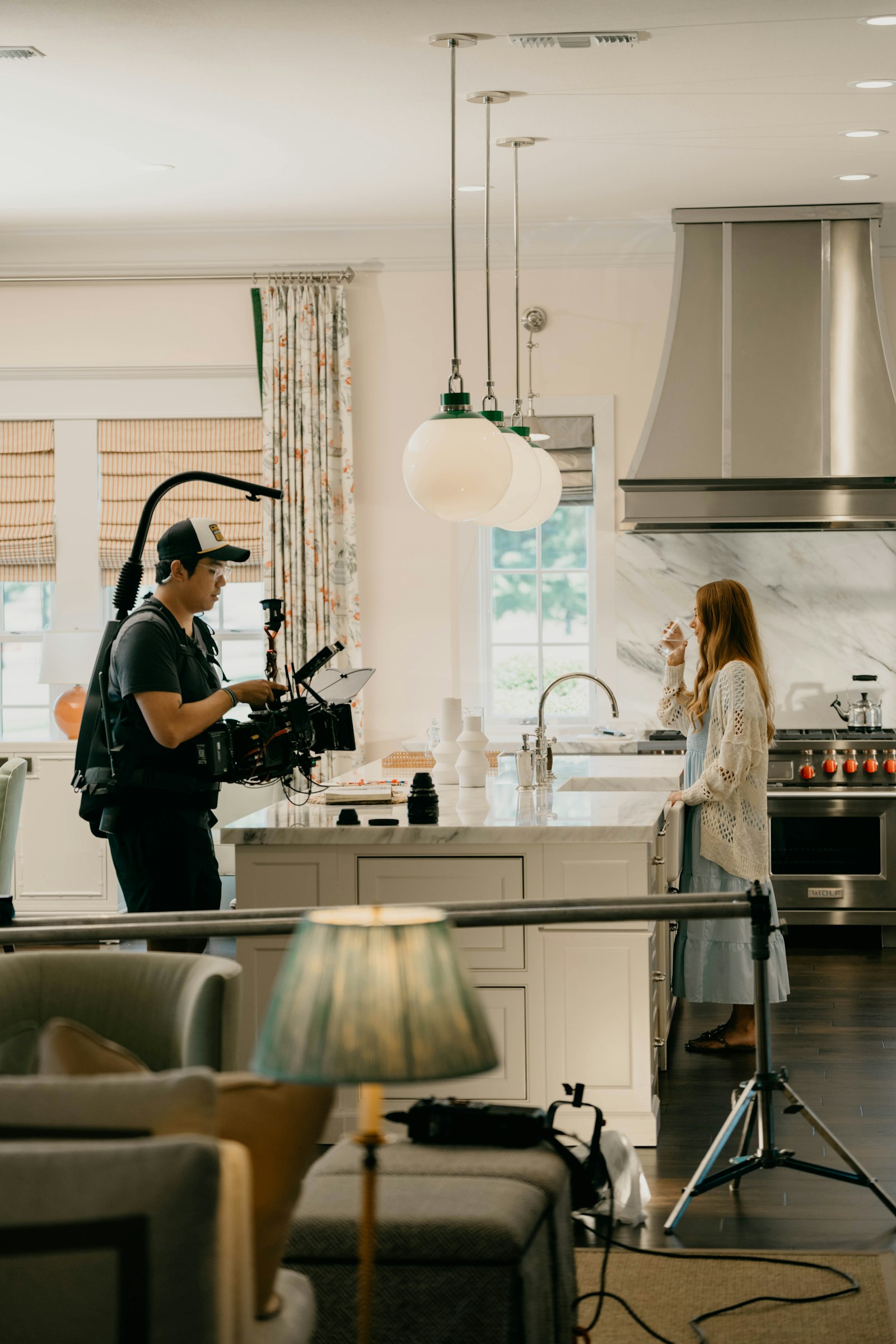
A camera crew filming in a kitchen
A kitchen shoot in progress: location, crew, lighting and styling.

Planning a launch or catalogue?

Send us the products and a rough image list, and we will tell you which route fits, with a fixed quote.

Send a brief
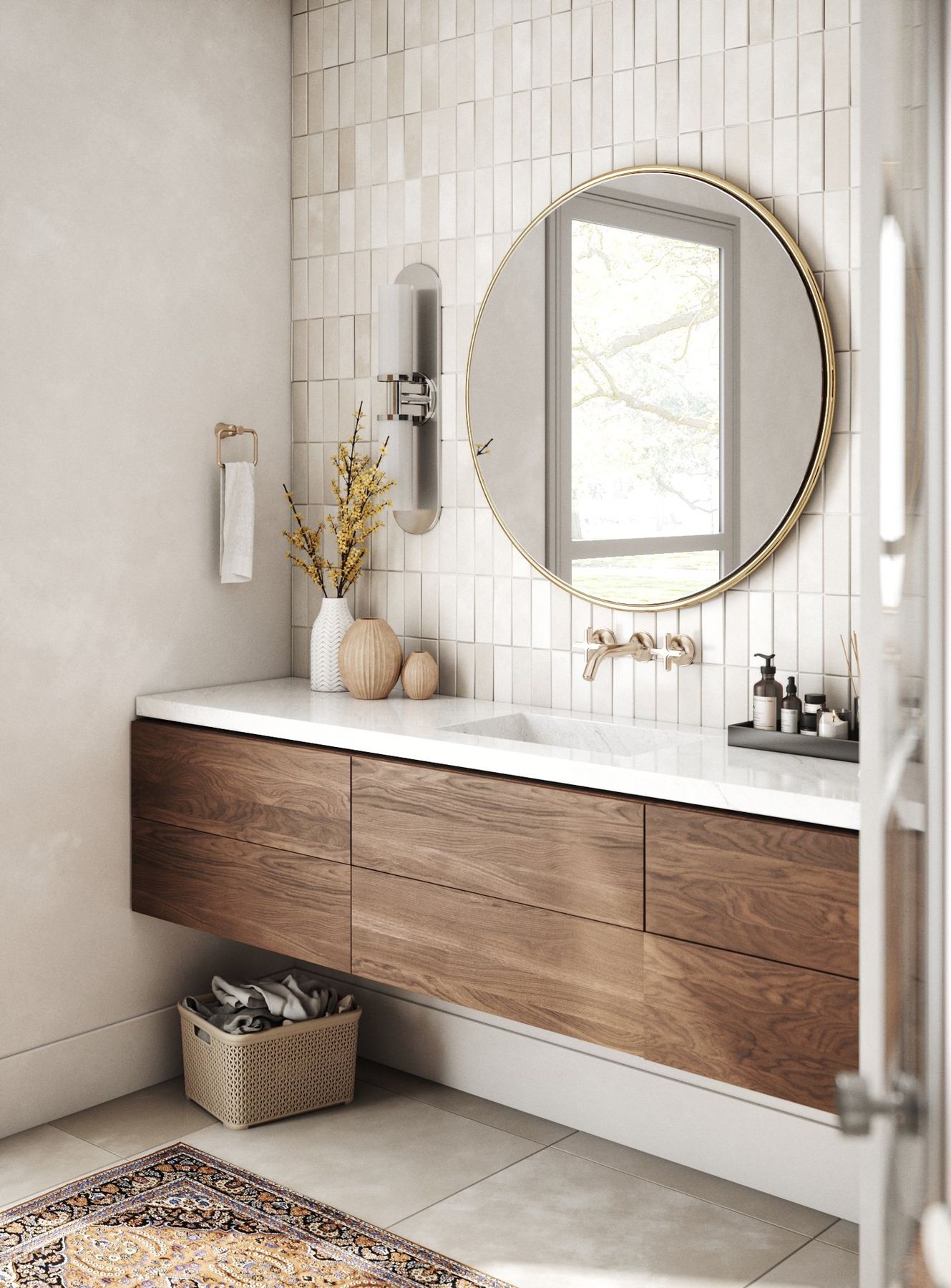
Photoreal bathroom furniture visualization with wall-mounted vanity, mirror and lifestyle accessories